What is an AI workflow?
An AI workflow is the steps your team follows for one kind of work, written down with the tools and checks each step needs, so it runs the same way whoever does the job.
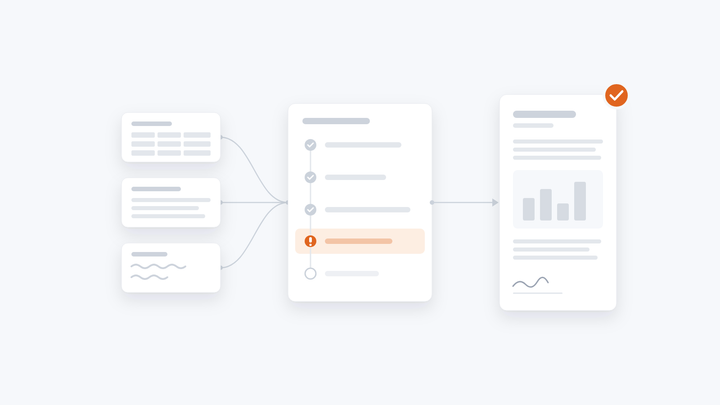
An AI workflow is the steps your team follows for one kind of work, written down with the tools and checks each step needs, so it runs the same way whoever does the job. It starts from your files, works through those steps with AI, and ends with a draft that a named person on your team reviews and signs off.
That's the definition we use at Chaidojo, where every piece of recurring work runs as an AI workflow. Here's what goes into one, and how it differs from the AI tools your team may already use.
What's in an AI workflow
- The steps. The order your team does the work in: gather the data, check it, analyze it, draft. Each step does one job.
- The method. How your team does each step, learned from past work, templates and reviewers' comments, so the draft follows your structure and your words.
- The tools. What each step can use: your files, a Google Drive or OneDrive folder, other systems your team connects, or a calculation that runs as code.
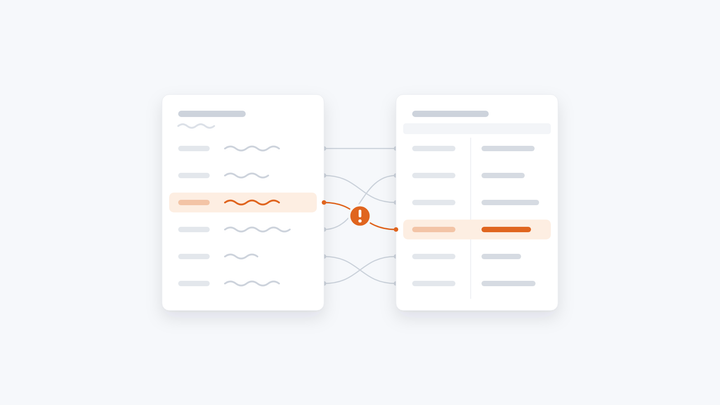
- The checks. What gets flagged for a person: figures that don't add up, a handwritten value where two reads disagree, anything outside your criteria.
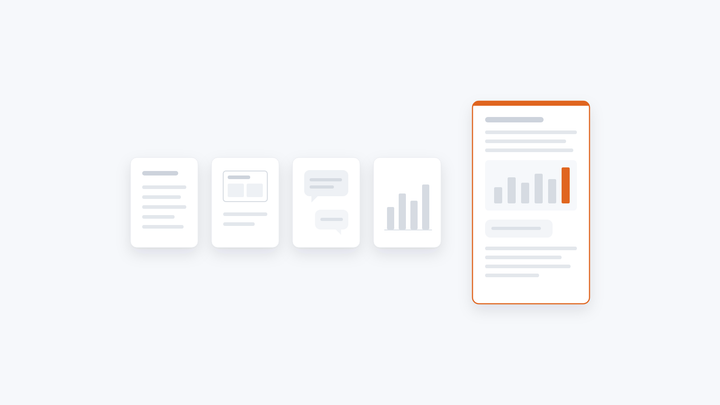
- The output. The document it produces, in your own Word, Excel or PowerPoint template.
- The record. Which files it read, which steps it took, which AI models it used, what it cost, and who signed it off.
How it differs from a prompt, a chat or a skill
A prompt or a chat with an AI assistant helps one person with one task, in their own account. The answer can change from one run to the next, and there's no record of where a number came from.
A skill is a set of instructions. An AI workflow is instructions plus tools and checks, packaged so it runs the same way every time.
So the difference isn't the AI model. It's that the work is written down once, runs the same way for everyone, and leaves a record behind it.
What an AI workflow doesn't do
It doesn't sign the work. A person on your team reviews every draft and signs it off, and that doesn't change.
It doesn't collect your data either. Field work, lab work, interviews and exports happen as they do now. The AI workflow starts once the data is in.
Three examples
- A site investigation report at engineering and environmental consultancies. Field logs and lab certificates go in. Reconciled sample data and a draft report in your template come out, with every flagged value shown next to the original sheet.
- A client readout at strategy and management consulting firms. Interview notes and engagement data go in. A draft in your house template comes out.
- A weekly sales report for in-house ecommerce teams. Channel exports go in. One reconciled report in your format comes out.
Where to start
Pick one piece of work your team produces again and again, with past examples you can share. That becomes your first AI workflow. On Chaidojo, the first one is live within 20 days of us getting access to your data, and setup is included. See how Chaidojo works for the detail.
To see one on your own work first, send us the files and the finished version from one past job, and we'll send back our draft within 72 hours, free.