The best AI tools for automating weekly report drafting in consulting firms
Which AI tool fits depends on where your week goes: the writing, or the data gathering, checking, formatting and partner rewrites around it. The main types compared, and how to test one on a past engagement.
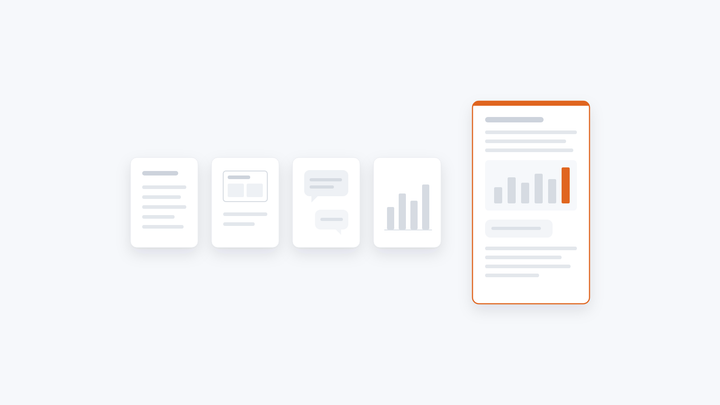
The best AI tool for weekly report drafting depends on where your week goes. If the time goes on writing, the AI assistant your consultants already have is enough. If it goes on pulling client data together, checking it, getting it into your house template and then a partner rewriting it, you need a tool that runs the whole report, from your files to a draft a partner can check. We make one of those, Chaidojo, so read what follows with that in mind. We've tried to be fair to the others.
By weekly reports we mean the recurring documents a consulting team owes: client status reports, steering committee updates, progress readouts, and the analysis behind them.
Where the drafting time goes
Follow a weekly client report through a week and the writing is the short part. The time goes on:
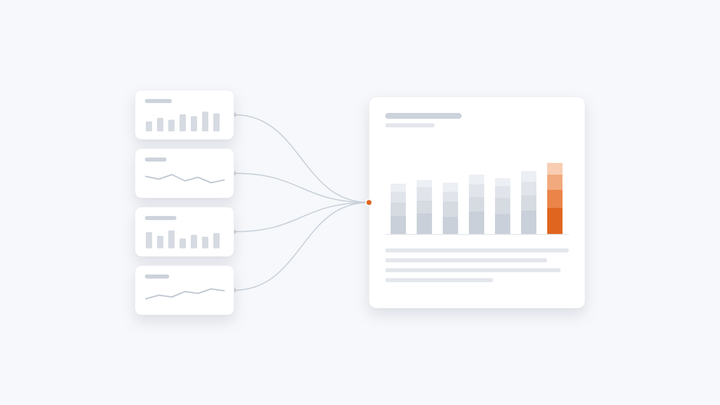
- gathering updates from each workstream, the client's latest data and last week's report
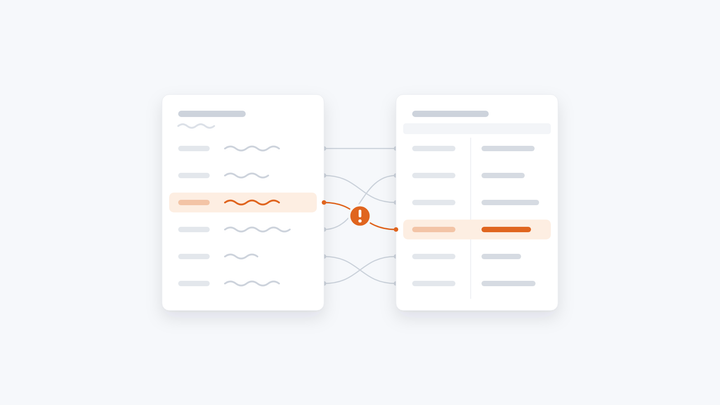
- checking the numbers, and chasing the ones that don't match last week
- getting it into the house template, the way your firm always presents it
- partner review, where the draft is rewritten to a standard nobody has written down
Faster drafting doesn't shorten that last step, because the partner is still applying a standard that lives in their head.
The main types of tool, and what each automates
1. AI assistants, such as ChatGPT or Copilot
- Automates: writing. A consultant can turn notes into a summary in minutes.
- Good for: one-off drafting by one person.
- Leaves to you: pulling the data together, keeping to the template the same way for everyone, and showing the partner where each number came from.
2. AI slide and document generators
- Automates: layout and formatting, turning an outline or notes into slides.
- Good for: getting a deck into shape quickly.
- Leaves to you: the analysis itself. They work from what you give them, so the thinking has to happen first.
3. Meeting and interview note tools
- Automates: transcripts and summaries of calls.
- Good for: interview-heavy work.
- Leaves to you: pulling themes across interviews, workstreams and client data into the report.
4. BI dashboards, such as Power BI or Tableau
- Automates: the numbers that are the same every week.
- Good for: KPIs and trackers.
- Leaves to you: the story, the recommendation and the risks, in your firm's voice. Someone also has to build and maintain them.
5. Tools that run the whole report, such as Chaidojo
- Automates: client material in, a draft out in your house template, with every number cited to its source and a record of how it was built.
- Good for: recurring deliverables that have to meet a partner's standard.
- Leaves to you: the judgment, the review and the signature. And if faster writing is all you need, it's more than you need.
Questions to ask any vendor, including us
- Does it work from our files as they are, or do we have to clean up and move our data first?
- Will the draft follow our template and our method, the same way whoever runs it?
- Can a partner see where every number came from?
- Who signs off, and is that recorded?
- How does the price change as the team grows?
- Will you test it on one of our past engagements before we buy?
How Chaidojo handles a weekly report
Interviews, client data, benchmarks, workstream updates and your past reports go in. A draft comes back in your house template, with every number cited to its source and a record of every step it took. The partner opens the draft, sees where each figure came from, then edits and signs, instead of rewriting.
During setup, we capture what your partners know but have never written down: your frameworks, your house style, and what they always send back. That method runs on every report, so a first-year analyst's draft starts from the same foundation as a partner's. If your team produces a report regularly, we can build it.
Your first AI workflow is producing real deliverables within 20 days of us getting access to your data. We do the setup.
When an AI assistant is the better choice
If your consultants mainly need to write faster, and the data gathering and review aren't where the time goes, buy individual AI licenses instead. We mean it.
Common questions
Can AI write our weekly client reports?
It can draft them from your material. A person in your firm should still review and sign anything that goes to a client, because it carries your name. What changes is what they're signing: a draft built the way your firm builds them, with every source behind it.
Every engagement of ours is different. Can a tool follow that?
The details change. The way your firm does the work rarely does. Chaidojo plans each job, so it leaves out what doesn't apply instead of breaking.
Is client data used to train AI models?
Not by Chaidojo: we never train AI models on your data. The AI runs through an AI provider under that provider's business terms: the one you choose on the Team plan, or the one behind our standard AI model on Starter.