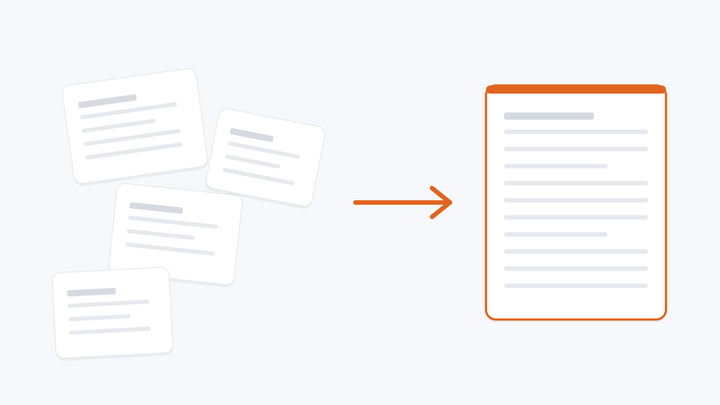
A named person signs off every piece
AI can draft the work. It shouldn't sign it. Why every Chaidojo draft goes to a named person, with a record of every step and source behind it.
AI agents are built to take work off people's hands: give an agent a role and let it act on its own. That works best when the work never changes. Most of the work service teams deliver isn't like that.
Work that goes out carries your name
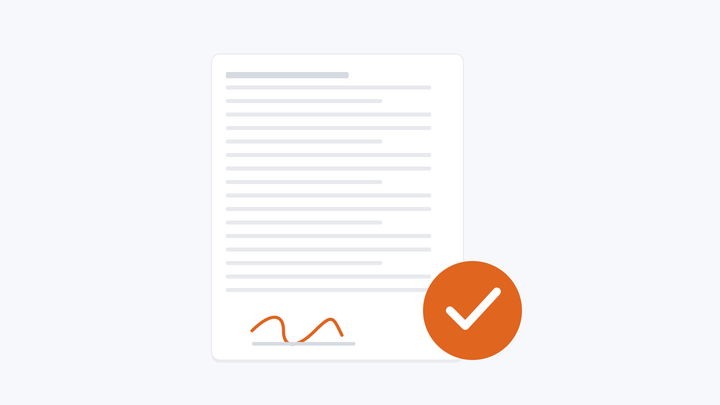
A person on your team produces the finished work, and that won't change. Work that goes to a client or to leadership carries your name, so someone accountable signs it.
What changes is what they're signing: a draft built the way your team builds them, ready for review and sign-off, with a record of every step and every source behind it.
Reviewing a draft you can trace
The reviewer opens the draft to see every step it took and every source it used. They correct it, approve it, and their name goes on it. Each edit is recorded with its reason, so you can see where the method needs updating.
You still sign it. You just stop rewriting it first.
Your method, on every piece
During setup, we capture what your senior people know but have never written down: how they structure the work, the words they use, and what reviewers always send back. That method runs on every piece, so the work reads the same whoever drafted it.
It doesn't stop anyone working their own way. It shows how each piece of work was built, so you know when the method wasn't followed.
People in charge, AI doing the copying
The difference from agent platforms is who does the work. In Chaidojo, a person is assigned the work and uses AI workflows, then reviews it and signs it off. Your team keeps the judgment. Chaidojo takes the copying, checking and formatting.